

877.247.2381
MON-FRI, 8AM - 5PM CST
MON-FRI, 8AM - 5PM CST

Investing in industrial air compressor financing today unlocks immediate cash—flow relief, leverages historic tax incentives, and ensures access to the latest energy-efficient technology. With rising equipment costs and new legislative benefits set to phase out, financing converts a large capital expenditure into predictable payments while preserving working capital and maximizing tax savings. In this guide, you'll discover:
Explore how industrial air compressor financing can drive your productivity and profitability, and learn how Compressed Air Advisors supports you every step of the way.
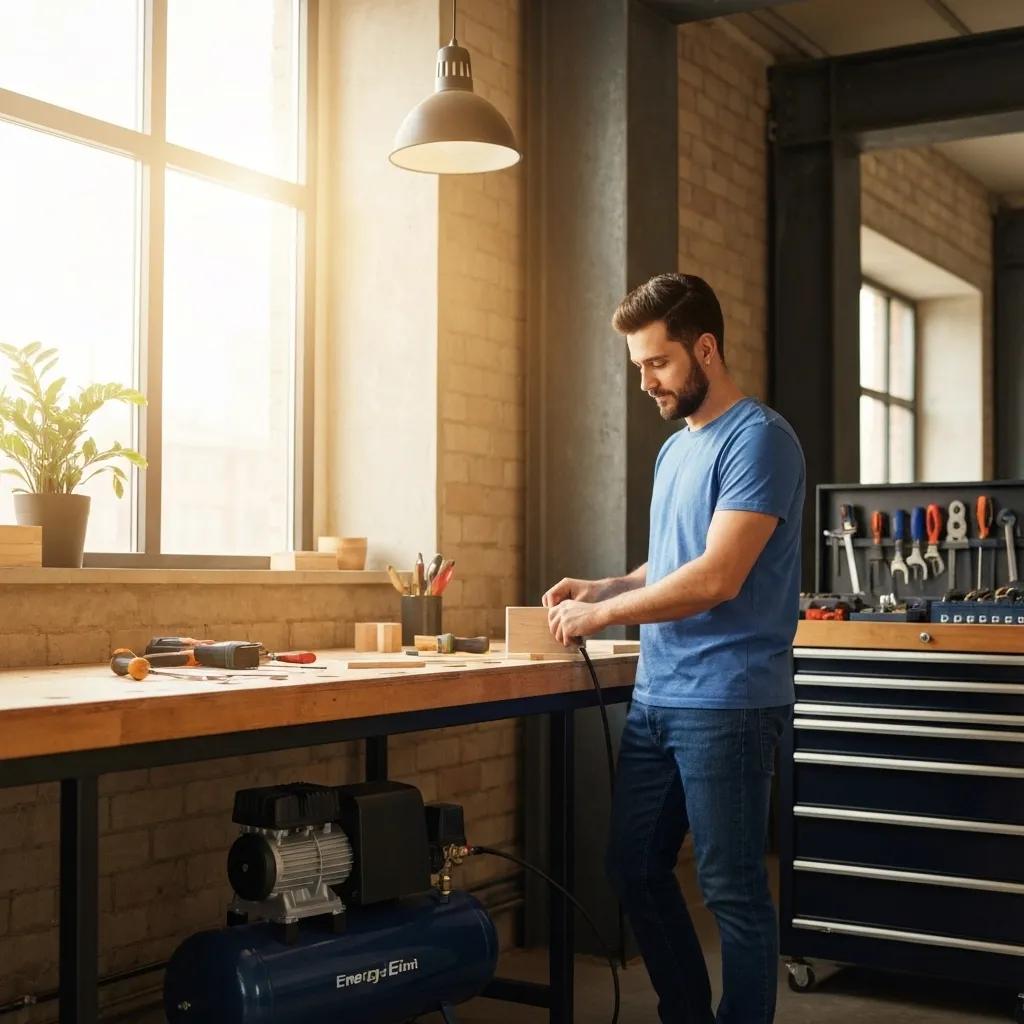
Financing your air compressor allocates the full purchase cost over time, preserving liquidity for operations, payroll and inventory while converting a one-time expense into predictable payments that align with revenue cycles. This mechanism ensures your business can invest in essential compressed air capacity without depleting reserves for unexpected challenges.
Financing an air compressor allows businesses to spread the cost over time, preserving working capital for essential operational needs like payroll and inventory. Fixed-rate financing also protects against inflation and rising equipment costs, ensuring predictable long-term budgeting. To learn more about financing options, visit financing.
U.S. Bank, Maximizing your deductions: Section 179 and Bonus Depreciation (2025)
This source supports the idea that financing can help businesses manage their finances effectively.
Preserving working capital through equipment financing allows businesses to maintain cash reserves for urgent operational needs. By spreading payments over a multi-year term, companies avoid tying up funds that could support raw-material purchases, employee wages and emergency repairs.
Maintaining unobstructed cash flow strengthens your ability to respond swiftly to market changes and positions you to capture growth opportunities without funding constraints.
Fixed-rate financing secures a stable interest expense over the loan term, insulating your business from future rate hikes and equipment price escalations. By locking in today's financing terms, you protect against inflationary pressures that push replacement and service costs higher, ensuring predictable long-term budgeting.
Financing enables acquisition of the latest rotary-screw and oil-free air compressors that deliver improved energy efficiency and uptime. Advanced models reduce kWh consumption by up to 35%, cutting utility expenses and aligning with sustainability goals. Access to this technology through affordable payments drives operational savings that often exceed financing costs, boosting overall ROI.
Tax incentives encourage equipment investment by reducing taxable income through upfront deductions and accelerated depreciation. Understanding these programs ensures you claim the maximum benefits on financed air compressors, lowering your effective cost and improving cash flow.
Section 179 allows businesses to immediately expense the full purchase price of qualifying equipment up to an annual cap. For 2025, the maximum deduction is $1,160,000 on new or used industrial air compressors, with a $2,890,000 phase-out threshold.
| Deduction Category | Limit (2025) | Applicability |
|---|---|---|
| Section 179 Deduction | $1,160,000 | New or used purchases |
| Phase-Out Threshold | $2,890,000 | Equipment cost above threshold reduces deduction |
| Bonus Depreciation | 80% | Applies after Section 179 limit |
Leveraging Section 179 expensing can immediately reduce taxable income, freeing up capital that would otherwise be tied in depreciation schedules.
Bonus depreciation permits an additional first-year deduction-80% for 2025-on qualified equipment costs beyond the Section 179 limit. By stacking bonus depreciation with Section 179, businesses can remove nearly all taxable basis of a new or used compressor in year one, significantly lowering tax liability and accelerating cash recovery.
The Inflation Reduction Act (IRA) introduces federal tax credits and deductions for energy-efficient commercial equipment under Section 179D and related provisions. Qualifying advanced air compressors and supporting heat-recovery systems may be eligible for additional credits, further reducing net investment costs for businesses committed to sustainable operations.
Interest on equipment loans and operating lease payments are typically fully tax-deductible business expenses. Deducting these costs lowers your taxable income each year of the financing term, enhancing cash flow and making financing terms more attractive compared to cash purchases.

Financing solutions range from outright equipment loans to flexible leases and government programs, each offering distinct ownership, accounting and upgrade characteristics. Evaluating these options against your strategic goals ensures you select the structure that optimizes cost, cash flow and tax outcomes.
An equipment loan provides ownership upon final payment, fixed interest rates and a set repayment schedule.
This structure suits businesses focused on long-term asset ownership and maximum tax benefits.
Equipment leasing can keep liabilities off the balance sheet and offer upgrade flexibility.
| Lease Type | Structure | Upgrade Option | Balance Sheet Impact |
|---|---|---|---|
| Operating Lease | Short-term rental with service bundle | Regular equipment refresh options | Off-balance-sheet expense |
| Capital Lease | Long-term financing with buyout | $1 purchase or FMV option at term end | Recorded as liability |
Leasing is ideal for businesses that prioritize cash-flow flexibility and technology refresh cycles without large down payments.
Rent-to-own programs let you apply rental payments toward eventual ownership, building equity gradually. This option benefits companies seeking lower credit barriers and predictable payments while retaining the option to purchase the compressor at fair market value once sufficient equity accrues.
SBA-backed loans and manufacturer partnerships provide low down-payment options, extended terms and competitive rates. These government-supported and vendor-sponsored programs expand financing eligibility, particularly for small businesses, by leveraging guarantee structures and vendor relationships to secure favorable terms.
Selecting the optimal financing structure requires analyzing your financial health, credit profile, payment preferences and industry demands. A tailored approach ensures your financing partner aligns payments with cash flow, tax planning and operational objectives.
Evaluate key business indicators—annual revenue, profitability, debt capacity and growth projections—to determine how much monthly obligation you can sustain without compromising working capital. Align loan or lease terms with project timelines and equipment service life to maximize utilization and ROI.
Your personal or business credit score influences interest rates, loan amounts and down-payment requirements. A higher credit rating unlocks lower rates, while subprime scores may require alternative structures such as rent-to-own, collateralized loans or manufacturer financing programs designed for varied credit profiles.
When assessing quotes, compare the total cost of each financing option using an effective interest rate calculation. Factor in fees, residual values and tax benefits to determine net monthly payment. A side-by-side comparison clarifies which structure delivers the lowest after-tax expense.
Manufacturing facilities often require high-capacity rotary-screw compressors, making long-term loans with Section 179 expensing very attractive. Auto repair shops benefit from compact, oil-free air compressors with flexible leases that include maintenance bundles. Tailoring financing to equipment type and utilization ensures cost-effective deployment.
Understanding each stage of the application process streamlines approval and expedites equipment delivery, enabling faster ramp-up of productivity.
To apply, prepare financial statements, business tax returns, credit history, equipment quotes and a completed financing application. Accurate documentation accelerates credit underwriting and loan structuring.
Most equipment financing approvals occur within 3-7 business days once documentation is submitted. Digital applications and established lender relationships can reduce turnaround to 24-48 hours for prequalified customers.
Review interest rates, payment schedules, fees, collateral requirements and any end-of-term options. Clear understanding of contract terms prevents unexpected obligations and ensures alignment with your cash-flow plans.
Reputable financing partners offer account servicing, payment reminders, equipment tracking and options for early payoff or refinancing. Ongoing support maintains positive financing relationships and can facilitate future equipment expansions.
Beyond securing favorable payment terms, optimizing equipment performance and planning for growth amplifies the value of your air compressor investment.
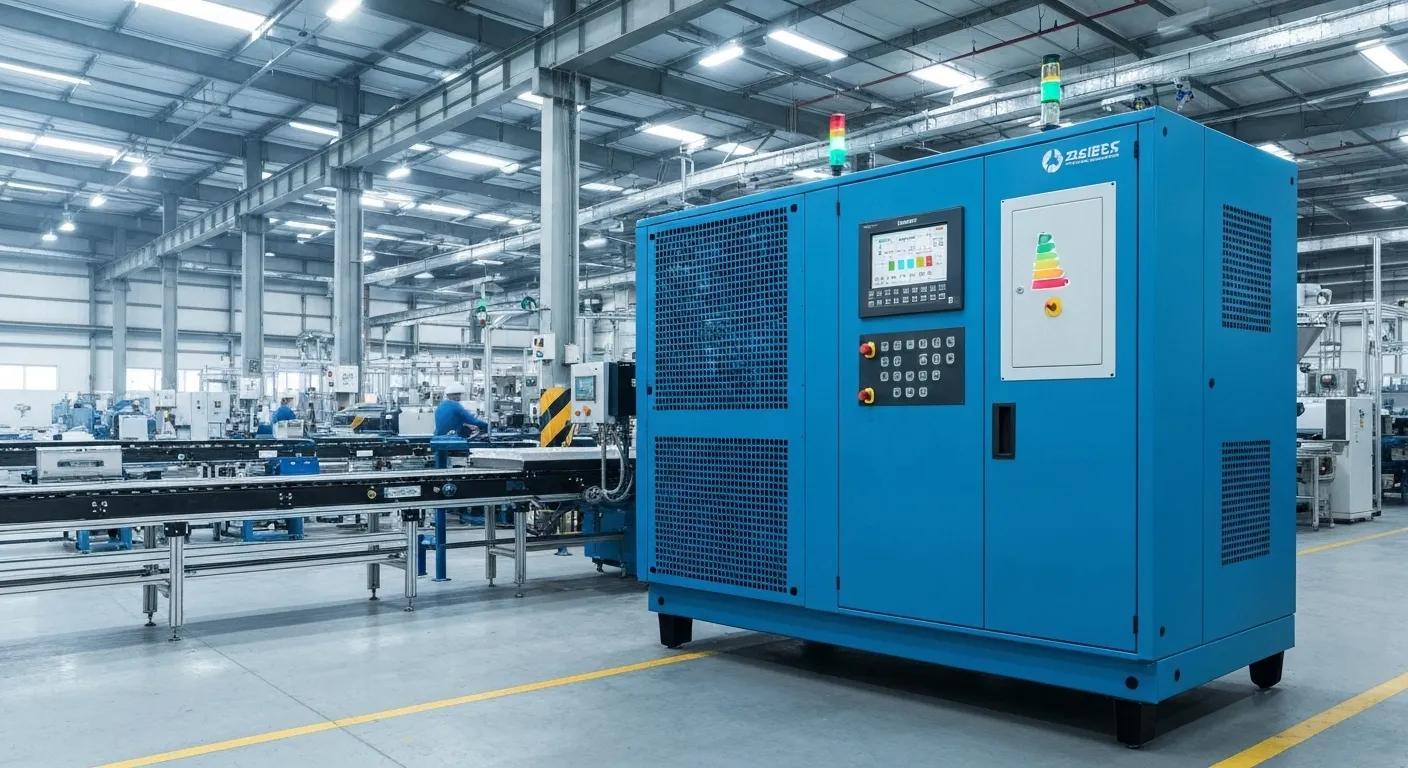
Modern high-efficiency compressors lower energy consumption by up to 35%, directly reducing utility bills. Pairing financing with efficiency gains often results in net positive cash flow in the first year of operation, driving a rapid return on investment.
A comprehensive service agreement ensures peak uptime and extends equipment life. Bundled maintenance plans—available through many leasing programs—provide scheduled inspections, filter changes and priority support, preserving compressor performance while protecting your financing asset.
Selecting financing that includes upgrade provisions or technology refresh options allows you to scale capacity and adopt new efficiency advancements without renegotiating terms. This proactive approach ensures your system evolves with production demand and regulatory requirements.
Partnering with an expert distributor ensures you receive customized financing guidance, a comprehensive product lineup and ongoing support tailored to your industry.
With decades of experience in industrial compressed air solutions, Compressed Air Advisors analyzes your operational requirements, recommends optimal compressor models and structures financing that aligns payments with tax strategy and cash flow needs.
A curated selection of top brands—Elgi, Champion, Chicago Pneumatic, FS-Curtis and Gardner Denver—ensures you find the right rotary-screw, reciprocating or oil-free compressor for your application, supported by national inventory and responsive local service.
Compressed Air Advisors offers equipment loans, operating and capital leases, rent-to-own programs and SBA-backed options to match credit profiles, tax objectives and budget constraints. Reach out to explore tailored plans that preserve capital and leverage available incentives via our financing page.
Contact our financing experts to secure the ideal payment structure for your new compressor and keep your operations running at peak efficiency. For personalized advice and quotes, please contact us, or browse industrial air compressors to find the perfect solution for your business.